
Job and Career Guide for People With Mental Illness


- Understanding Employment Rights for People With Mental Illness
- Finding Supportive Employers
- Resume and Job Application Strategies
- Example: Returning to Work After a Mental Health Break
- Managing Mental Health at Work
- Job Fields That May Offer Flexibility and Balance
- Disclosure Decisions: Should You Tell Your Employer?
- Maintaining Long-Term Career Success
- Example: Thriving With Workplace Support
- FAQs About Jobs for People With Mental Illness
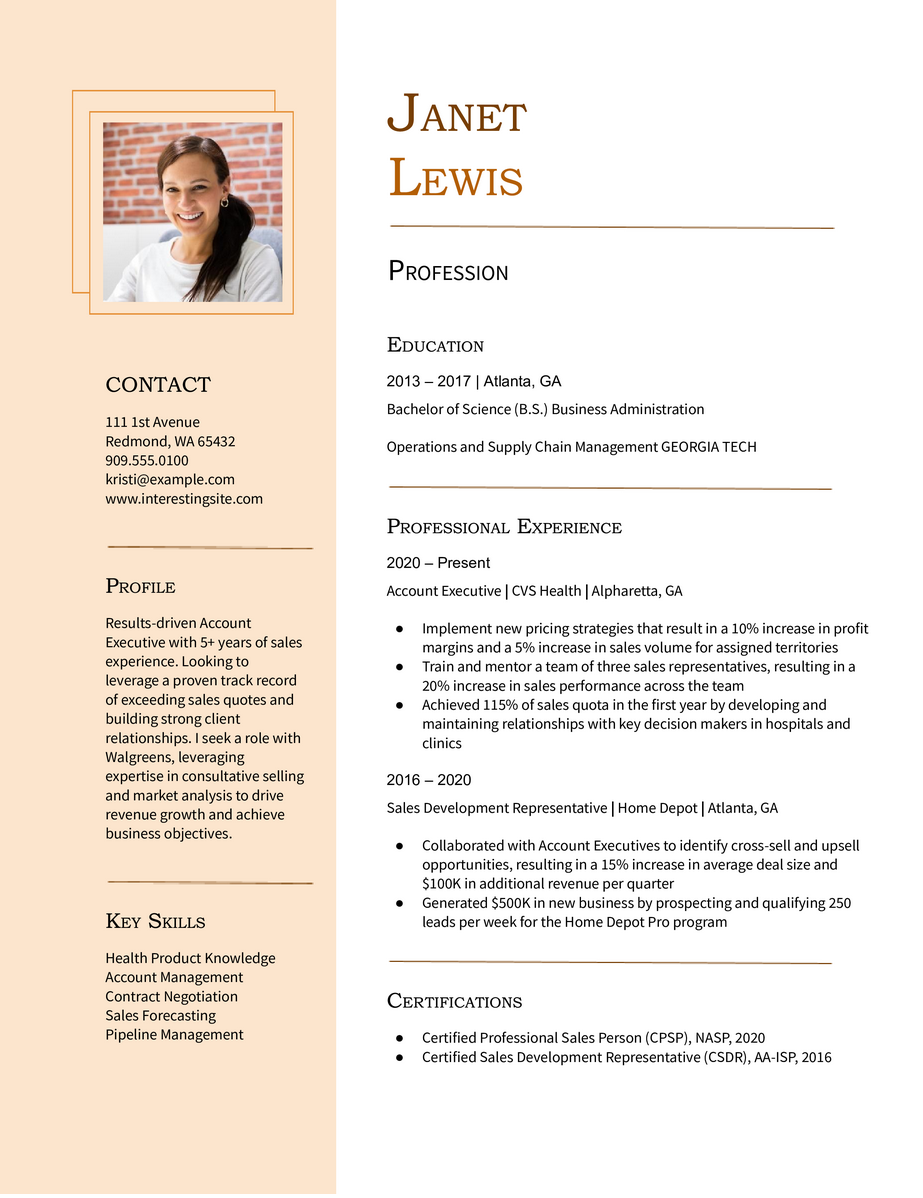
Navigating a career while managing a mental health condition can feel daunting, but with the right strategies and support, meaningful employment is possible. Many people managing mental health conditions develop valuable workplace skills such as resilience, empathy, and problem-solving. This guide explores finding supportive employers, requesting accommodations, managing stress, and confidently highlighting your qualifications.
For practical job search help, explore professional resources on Resume.org, including templates, resume tips, and examples tailored to different career paths.
Understanding Employment Rights for People With Mental Illness
Knowing your legal protections
Under the Americans with Disabilities Act (ADA), employers with 15 or more employees cannot discriminate against individuals with mental or physical disabilities. This includes protections during the hiring process, promotions, and training. Conditions such as depression, bipolar disorder, PTSD, and anxiety disorders are covered if they substantially limit daily life activities.
You are protected under federal law if you can perform essential job functions with or without reasonable accommodations. Examples of accommodations include flexible scheduling, modified workloads, or the ability to work remotely.
Requesting workplace accommodations
You are not required to disclose a mental health diagnosis unless you need an accommodation. When you request one, describe what adjustments would help you perform best. For instance:
“I’d be more productive with a flexible start time or occasional remote work for therapy appointments.”
The Job Accommodation Network (JAN) provides examples of reasonable accommodations and communication tips for such requests.
Finding Supportive Employers
Look for inclusive workplace policies
When researching employers, review their diversity and inclusion statements to assess their commitment to these values. Companies that mention mental health support or employee assistance programs (EAPs) often have a culture of understanding and support.
Check employee reviews on platforms like Glassdoor for insights about management’s approach to mental health or burnout prevention.
Evaluate mental health benefits
Supportive workplaces typically offer:
- Health insurance that covers therapy and medication
- Mental wellness days or personal leave policies
- EAPs offering confidential counseling
- Wellness initiatives or mindfulness programs
Employers who value well-being often integrate mental health discussions into leadership and training programs, reducing stigma in the workplace.
Resume and Job Application Strategies
Highlight strengths without oversharing
Your resume should focus on your qualifications, experience, and achievements, not your diagnosis. Emphasize transferable skills like time management, collaboration, or adaptability that demonstrate professional growth.
For structure and formatting ideas, check out professional resume examples, which show how to present experience clearly and confidently.
Explaining career gaps
If mental health challenges led to time away from work, you can address them briefly and positively. Example:
“Took time for personal development and wellness; now returning to the workforce with renewed focus and strong project management skills.”
This approach emphasizes recovery and readiness without unnecessary detail.
Crafting a supportive cover letter
Your cover letter can highlight self-awareness, resilience, and dedication to professional growth. Instead of labeling your experiences, focus on the skills and lessons you’ve gained from managing challenges, such as empathy, organization, or communication.
Example: Returning to Work After a Mental Health Break
Scenario: Jamie, a graphic designer, took a year off for treatment and recovery from anxiety. When ready to return, they updated their portfolio and resume using guidance from our how-to guide.
In their cover letter, Jamie wrote:
“During my professional break, I focused on skill development and mindfulness practices that improved my creativity and focus. I’m excited to bring this renewed perspective to your design team.”
This example shows how to reframe personal growth in a professional context while maintaining confidence and authenticity.
Managing Mental Health at Work
Building a routine
Structure helps minimize stress. Set clear boundaries for work hours, schedule short breaks, and use task management tools to stay organized. Start with part-time or hybrid work while adjusting to a new environment.
Communicating with your employer
If your symptoms are affecting your performance, consider discussing them privately with HR or a trusted supervisor. Use specific examples and suggest solutions, such as:
“I’ve noticed that a quieter workspace helps me concentrate better. Is it possible to use a remote day each week?”
Utilizing employee support programs
Take advantage of any wellness benefits, mental health apps, or confidential counseling services offered by your employer. Early intervention can prevent stress from becoming overwhelming.
Job Fields That May Offer Flexibility and Balance
Remote and creative roles
Careers in writing, design, data entry, and IT often allow for remote work and independent pacing, which helps manage symptoms such as anxiety or fatigue.
Helping professions
Some people find purpose in mental health advocacy, social work, or coaching roles where empathy and lived experience are assets.
Technical and trade jobs
Apprenticeships and skilled trade positions can provide structured, hands-on work with clear expectations and stability.
Matching your strengths and mental health needs to your job type can increase satisfaction and reduce burnout.
Disclosure Decisions: Should You Tell Your Employer?
Pros
Sharing your mental health condition may lead to better understanding and accommodations. It can also reduce the stress of hiding your symptoms.Cons
Unfortunately, stigma still exists in some workplaces. If you’re unsure, consider disclosing only after receiving a job offer or establishing rapport with your manager.How to disclose thoughtfully
Frame the discussion around performance and productivity:
“I sometimes need flexibility with scheduling due to a medical condition, but I’m confident it won’t affect my ability to meet deadlines.”
This approach keeps the focus on solutions rather than labels.
Maintaining Long-Term Career Success
Set realistic goals
Break down projects into manageable steps and celebrate progress. Consistent small wins help build confidence and motivation.
Continue professional development
Online learning platforms and community colleges offer short courses that strengthen skills without overwhelming workloads. Upskilling at your own pace can open new opportunities.
Build a supportive network
Surround yourself with peers, mentors, and mental health professionals who understand your challenges. Networking events or online communities focused on disability inclusion can be particularly encouraging.
Example: Thriving With Workplace Support
Scenario: Alex, a software engineer with bipolar disorder, informed their employer about their need for consistent scheduling and private workspace access. HR arranged a flexible work plan, and Alex thrived. They later joined the company’s mental health task force, helping others advocate for accommodations.
This example illustrates how effective communication and proactive planning can foster personal and organizational growth.
FAQs About Jobs for People With Mental Illness
Disclosure is a personal choice. You only need to share information if requesting an accommodation. Focus on how adjustments will improve performance rather than describing your diagnosis.
Accommodations vary but include flexible scheduling, quiet workspaces, written instructions, or additional breaks. Employers must provide these if doing so does not create undue hardship.
No. The ADA protects you from discrimination based on mental health. If you face unfair treatment, you can file a complaint with the Equal Employment Opportunity Commission (EEOC).
Balance applications with self-care. Schedule downtime, set achievable goals, and seek support from career coaches or counselors specializing in mental health and employment.
Resume.org offers free, HR approved resume templates to help you create a professional resume in minutes. Choose from several template options and even pre-populate a resume from your profile.