
Best Resume Formats with Examples, Tips, and Guide



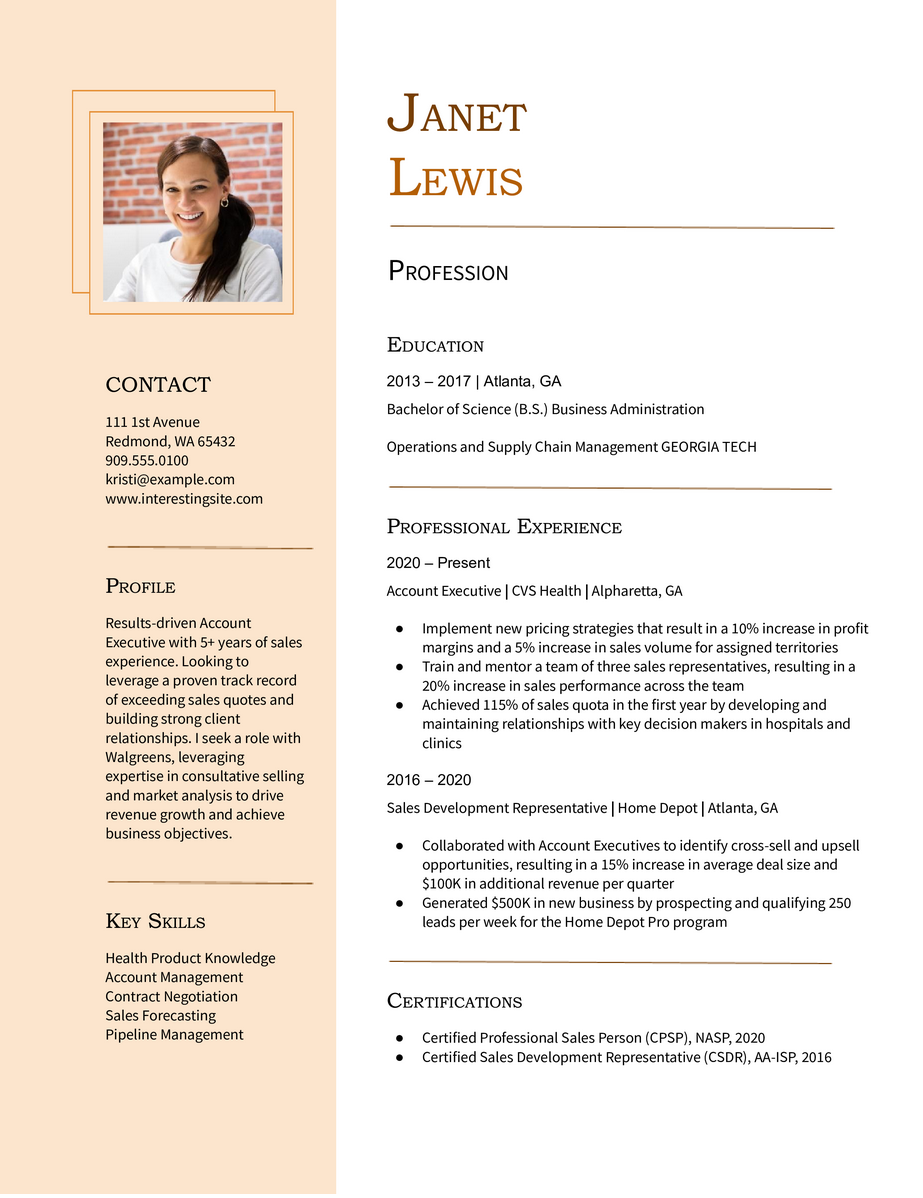
To stand out in today’s job market, you need the right resume format. Whether you’re a seasoned professional, a recent graduate, or making a career change, choosing the best layout for your resume is the first step toward landing interviews.
The three most commonly used resume formats are:
- Reverse chronological
- Functional
- Combination (hybrid)
Each format has unique advantages depending on your experience and career goals. In this guide, you’ll learn how to choose the right one — and how to structure it effectively.
Which Resume Format Should You Use?
Choosing the right format depends on your background. Here’s a quick comparison:
| Format | Best For | Key Feature | Avoid If |
|---|---|---|---|
| Reverse chronological | Most job seekers | Focuses on work history, newest first | You have employment gaps or unrelated jobs |
| Functional | Rarely recommended | Emphasizes skills over job titles | You want to show real-world achievements |
| Combination | Career changers, students | Mixes skills plus experience | You need a highly structured format |
1. Reverse Chronological Resume Format
The reverse chronological resume is the most common and the most employer-friendly. It puts your most recent jobs at the top, making it easy for hiring managers to track your career growth.
Best for:
- Mid-level to senior professionals
- Job seekers with consistent work history
- Applicants staying in the same field
Pros:
- Highlights career progression - applicant track systems (ATS)-friendly and recruiter-preferred
- Easy to read and familiar
Cons:
- Exposes gaps in employment
- Not ideal for recent grads with limited work history
Example: Reverse Chronological Resume
Maya Torres – UX Designer
UX designer with 8+ years of experience designing accessible digital products for SaaS and nonprofit organizations. Proven track record of leading design initiatives from concept to launch and driving inclusive practices.
Experience
- Lead UX Designer – EquaHealth Digital | 2020 to present
Led redesign of a patient portal used by 75,000+ users; improved access and reduced admin time by 40% - UX Designer – PeopleForward Foundation | 2017–2020
Improved donation flow, boosting conversion rates by 22%
Education
Bachelor of Arts in Human-Centered Design – Carnegie Mellon University
2. Functional Resume Format
Functional resumes emphasize your skills instead of work history. They’re often used by candidates with little experience or career gaps, but they’re rarely recommended today.
Most recruiters are skeptical of this format because it hides your employment timeline.
Best for:
- Job seekers with no relevant experience
- Career changers (though combination resumes are better)
Pros:
- Highlights transferable skills
- Minimizes focus on employment gaps
Cons:
- Often seen as evasive or outdated
- Lacks evidence of real-world impact
- Less effective with ATS
Example: Functional Resume
Kelsey Tran – Administrative Assistant (Functional Format)
Detail-oriented admin professional skilled in scheduling, email communication, and document management. Looking to bring efficiency and organization to an office setting.
Skills
- Calendar management and office support
- Client communication and follow-up
- Task tracking and deadline coordination
Experience
Administrative Intern – Taylor Nonprofit Group | Spring 2023
Front Desk Assistant – UNLV Student Services | 2021–2022
Education
Bachelor of Arts in Communications – University of Nevada, Las Vegas
If you're tempted to use a functional resume, consider a combination format instead. It showcases your skills and where you've applied them.
3. Combination Resume Format
The combination resume blends skills and experience. It’s ideal for candidates who need to highlight both technical strengths and relevant projects, even if their work history isn’t traditional.
Best for:
- Career changers
- Recent grads with strong projects
- Professionals with varied backgrounds
Pros:
- Flexible structure
- Balances skills and job experience
- Great for project-based roles
Cons:
- Can become cluttered without careful formatting
- May confuse recruiters if sections aren’t clearly labeled
Example: Combination Resume
Ethan Riley – Software Developer (Combination Format)
Full-stack developer with hands-on experience building scalable web and mobile apps using React, Flutter, and Node.js.
Key Projects
- Finance Tracker App – Built a responsive app using React and MongoDB; included user auth and dashboards
- Study Group Finder – Created a cross-platform mobile app in Flutter; implemented real-time chat and calendar sync
Experience
Retail Associate – Target | 2021–2024
Managed inventory, trained new hires, and supported seasonal promotions
Education
Bachelor of Science in Computer Science – Oregon State University
Final Thoughts: Choose the Right Format for Your Goals
There is no one-size-fits-all resume format. If you have a clear work history, reverse chronological is the way to go. And if your path is more unique, such as a recent graduate or someone transitioning into a new industry, consider a combination resume. Skip functional resumes altogether unless you’re working with a career coach who recommends it for a specific reason.
Keep your layout clean, highlight your results, and structure your resume so that hiring managers can quickly see why you’re the right fit.

Frequently Asked Questions About Resume Formats
The reverse chronological format is the most common and widely accepted by employers. It prioritizes your most recent work experience and works well for applicants with a consistent employment history.
Functional resumes are rarely recommended today. Recruiters often view them with skepticism because they hide dates and job titles. If you're trying to spotlight skills, a combination format is a safer and more effective choice.
Use a combination format if:
- You're changing careers
- You have a non-traditional path (freelancing, project-based work)
- You want to highlight technical skills or certifications
- Your most relevant experience isn’t your most recent job
For most new grads, a combination format works best. It allows you to show off academic projects, internships, and relevant coursework while still presenting some work history — even if it's part-time or unrelated.
If you have short gaps, you can still use a reverse chronological format and focus on results in your most recent roles. For larger gaps, a combination format may allow you to lead with skills and projects to reduce the focus on the timeline.
Resume.org offers free, HR approved resume templates to help you create a professional resume in minutes. Choose from several template options and even pre-populate a resume from your profile.