
Employment Guide for People Recovering From Substance Abuse Issues


Finding a job while you’re in recovery can be difficult, but it’s far from impossible. With the right resources and strategies, you can re-enter the workforce and build a stable, meaningful career.
Tips for Job Searching in Recovery
Clarify your strengths
First and foremost, create a list of skills you have and would like to apply in your next job. Then, keep your skills list handy as you look over job postings. The more you can center your search on these strength areas, the more likely you are to find the right opportunity.
Below are some common professional skills to help you start brainstorming:
- Conflict resolution
- Cost reduction
- Customer service
- Efficiency improvement
- New employee training
- Peer mentoring
- Process streamlining
- Quality monitoring
- Task prioritization
- Team collaboration
- Time management
- Workplace safety
Keep in mind that a skill is anything you can do well – it doesn’t have to be from recent work experience. You may have gained some skills from your early career and others through recent volunteer positions or personal experiences. As long as you’re generally confident you could use the skill now in a work setting, it’s fair to add to your list.
Note: When creating your skills list, it’s easy to veer into generic phrases like “highly motivated” or “strong work ethic.” These may be true about you, but they won’t help you narrow your career focus or stand out to employers. Avoid this pitfall by making sure you can plug each list item into the sentence “I’m skilled in X.” That way, you’ll quickly know a phrase like “team collaboration” is correct, while a similar phrase like “highly collaborative” is incorrect.
Create a focused resume
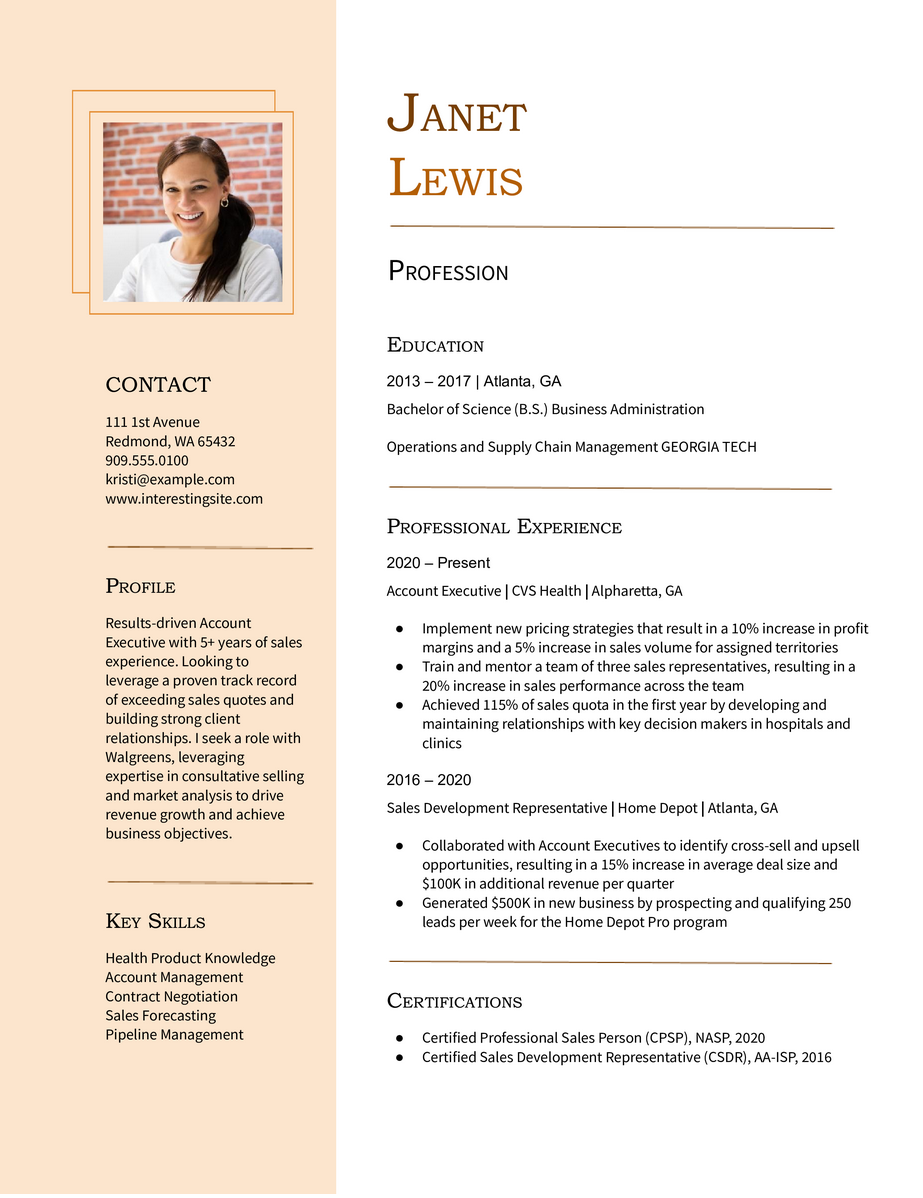
Once you’ve identified your skill set, draft a resume to reflect that new focus. Use the combination resume format to feature your most relevant skills in their own section toward the top of your resume. Then, use the experience section to give examples of those skills in action. (The resume samples below will help you see how this structure looks.)
Leverage your network
Tell supportive people (like counselors, sponsors, and sober peers) about your search and the type of job you’re after. They may have leads. Additionally, create a skills-focused profile on LinkedIn to begin building your professionalnetwork online.
If you already have a LinkedIn presence, see what organizations your contacts work for – do any catch your interest? Consider contacting those individuals to ask whether the company is hiring. When you network this way, you can find employers and work opportunities that don’t appear on major job boards.
Start small
Consider part-time, entry-level, or volunteer positions if you’re rebuilding your routine and work experience.
Look into second-chance employers
Some companies employ second-chance hiring practices. These include programs that actively recruit individuals with criminal records or employment gaps. Some treatment centers and sober living programs also partner with businesses willing to offer work opportunities to residents.
Take care of yourself
Job searching can be stressful and time-consuming. Balance it with meetings, therapy, and positive coping strategies. Having a strong support system can be incredibly important during this stressful time.
Resume Examples for Job Seekers in Recovery
Chris Jackson
[email protected] | (123) 456-7890 | Colorado Springs, CO | LinkedIn
Facilities Worker with a background in general repairs, custodial duties, and building maintenance.
Key Skills
- Building repairs
- Equipment maintenance
- Floor care
- Inventory tracking
- Safety compliance
- Team collaboration
- Work order management
Professional Experience
Maintenance Technician, SafeStart Recovery Housing, Colorado Springs, CO | July 2023 to present
- Perform daily maintenance checks and basic plumbing, electrical, and carpentry tasks for a 12-unit residential facility
- Maintain a clean and safe environment in common areas, including routine inspections and timely repair of reported issues
- Assist with landscaping and seasonal upkeep of outdoor areas, improving the facility’s curb appeal
- Recognized by staff and residents for reliability and respectful attitude
Custodian (part-time), Sunset Lutheran Church, Colorado Springs, CO | February 2023 to June 2023
- Cleaned classrooms, bathrooms, and common areas following strict health and sanitation guidelines
- Managed supply inventory and communicated needs to the administrative staff
- Provided weekend support during community events, including setup and takedown
Apprentice Laborer (vocational program), Rebuild Colorado Trades Initiative, Denver, CO | August 2022 to January 2023
- Participated in a six-month program focused on building trades and job readiness for individuals in recovery
- Assisted skilled tradespeople on various construction and renovation projects
- Gained hands-on experience in drywall, painting, flooring, and basic framing
Education
General Educational Development (GED), Colorado Springs Adult Education Center, CO
Certifications
- 10-Hour Safety Training, OSHA | 2023
- Facilities Maintenance Certificate, Rebuild Colorado | 2023
Frequently Asked Questions: Employment in Recovery
Disclosure is a personal choice. Sharing your story could be a strength if you’re applying to a recovery-friendly workplace or an employer that supports second-chance hiring. But in general, focus on your skills and readiness. If you do choose to disclose, keep it simple and frame it positively.
Yes, if that experience gave you skills relevant to your search. But frame it accurately by adding “Volunteer” to the job title, or by making a “Volunteer Experience” section separate from your regular work experience section.

Resume.org offers free, HR approved resume templates to help you create a professional resume in minutes. Choose from several template options and even pre-populate a resume from your profile.