
Job and Career Guide for LGBTQ+ Candidates


- Understanding the Modern LGBTQ+ Job Landscape
- How To Identify LGBTQ+-Friendly Employers
- Crafting Your Resume as an LGBTQ+ Candidate
- Example: Balancing Identity and Experience
- Interview Tips for LGBTQ+ Job Seekers
- Building a Supportive Career Network
- Overcoming Workplace Challenges
- Career Growth for LGBTQ+ Professionals
- Example: Turning Advocacy Into Career Growth
- FAQs About LGBTQ+ Career Development
For lesbian, gay, bisexual, transgender, and queer/questioning and all other identities not explicitly mentioned in the acronym, such as intersex and asexual professionals (LGBTQ+), navigating the job market involves more than finding the correct position. It’s also about ensuring the workplace is inclusive, affirming, and safe. Discrimination, lack of representation, and uncertainty about presenting one’s identity can make job searching more complex. However, as more companies embrace diversity and inclusion, there are growing opportunities for LGBTQ+ candidates to thrive.
This guide offers practical advice on identifying inclusive employers, preparing application materials, and building a rewarding career path. It also includes links to helpful resources on Resume.org to strengthen your job search and professional confidence.
Understanding the Modern LGBTQ+ Job Landscape
Workplace inclusion has advanced significantly in the past decade. Many companies now have formal diversity policies, employee resource groups, and non-discrimination policies in place. Still, some industries or regions may lag, making research and preparation essential.
The importance of inclusive workplaces
Inclusive employers create environments where employees feel safe being themselves. This leads to higher engagement, innovation, and retention. For LGBTQ+ candidates, inclusive workplaces often provide:
- Equal benefits for same-sex partners and families
- Gender-affirming health care policies
- Pronoun respect and inclusive language in communication
- Leadership diversity programs
Signs of LGBTQ+ allyship in a company
When evaluating employers, look for:
- Corporate Equality Index (CEI) ratings: The Human Rights Campaign publishes annual CEI scores for major U.S. employers.
- Visible diversity commitments: Statements or public support for Pride events signal inclusivity.
- Employee testimonials: Review company pages on Glassdoor or LinkedIn to learn about the real culture.
How To Identify LGBTQ+-Friendly Employers
Before applying, research how potential employers approach inclusion and diversity.
Review official policies
Check if the company’s equal opportunity statement explicitly lists sexual orientation and gender identity. Inclusion in formal policy often reflects broader internal support.
Network with LGBTQ+ professionals
Engage with organizations like Out & Equal, Pride at Work, and industry-specific LGBTQ+ networks. Connecting with others in your field can help you uncover firsthand insights about employer cultures.
Attend LGBTQ+ career fairs
Career events focused on diversity hiring offer a great way to meet recruiters who value inclusivity. These spaces help you build confidence and expand your network in an affirming environment.
Crafting Your Resume as an LGBTQ+ Candidate
Your resume should emphasize your experience and achievements, aligning with your comfort level regarding disclosure. There’s no one “right” choice — you decide how much of your identity to share.
Deciding what to include
You may choose to list involvement in LGBTQ+ organizations or advocacy work, especially if it demonstrates leadership, communication, or community engagement skills. For example:
Vice President, Campus Pride Alliance – Organized awareness campaigns reaching 500+ students and coordinated inclusion training for student organizations.
If you’d prefer not to disclose identity-related affiliations, you can still highlight transferable skills — like event coordination, policy advocacy, or mentorship — without referencing specific causes.
Using inclusive resume templates
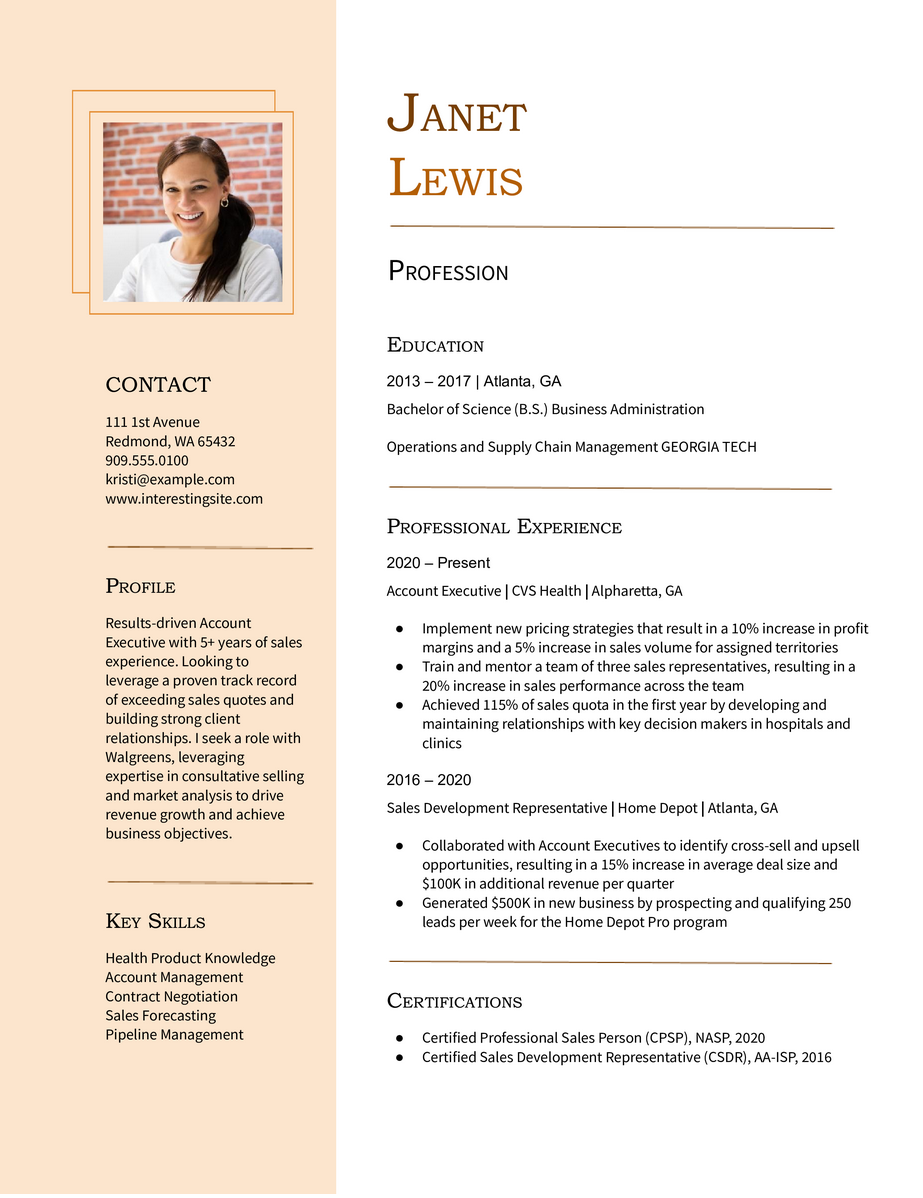
To ensure your resume is clear and professional, visit our free templates designed to work well for all industries and applicant tracking systems. Select a modern, readable format that highlights accomplishments without unnecessary design elements.
Example: Balancing Identity and Experience
Scenario: Casey is applying for a marketing role at a large media company. They’ve served as communications director for their university’s LGBTQ+ resource center, but are unsure if they should include it.
After reviewing the company’s diversity policies and positive CEI score, Casey decides to include the role under “Experience,” describing it in a way that focuses on measurable outcomes:
Directed social media campaigns promoting inclusivity, increasing campus engagement by 40%.
This phrasing emphasizes achievement while reflecting leadership and initiative — qualities every employer values.
Interview Tips for LGBTQ+ Job Seekers
Research before you go
Check if the organization has a visible commitment to diversity. You can confidently bring your authentic self to the conversation if you choose to.
Practice inclusive communication
If you use specific pronouns or a chosen name, practice how you’ll introduce yourself. For example: “Hi, I go by Alex, and my pronouns are they/them.” This sets a clear tone of self-respect and professionalism.
Focus on qualifications
Discuss your career strengths, problem-solving approaches, and measurable outcomes. Whether you mention LGBTQ+ experience or not, emphasize leadership, collaboration, and innovation.
Handling uncomfortable questions
While illegal questions about gender or orientation are rare, they can happen. Redirect politely by focusing on professional topics. For instance:
“I prefer to focus on how my communication experience will help the team achieve its marketing goals.”
Building a Supportive Career Network
Join professional LGBTQ+ organizations
Groups like Out Professionals, Reaching Out MBA, and Lesbians Who Tech provide mentorship and visibility across industries. Participating in such communities expands your network and gives access to job boards and mentorship programs.
Find mentors and allies
Seek mentors who share your career goals and values. They don’t have to identify as LGBTQ+. Many allies offer valuable insight into navigating organizational dynamics.
Use LinkedIn strategically
Engage with inclusion-focused posts, follow diversity initiatives, and connect with recruiters who highlight allyship in their profiles.
For guidance on creating a professional profile that gets noticed, review our LinkedIn optimization tips.
Overcoming Workplace Challenges
Even in inclusive workplaces, challenges may arise. Here’s how to approach them:
Addressing discrimination or bias
Document incidents and consult HR or an employee resource group if you feel targeted. Many companies now have zero-tolerance policies for discrimination and provide confidential reporting systems.
Navigating transitions at work
If you’re transitioning, check your organization’s gender transition policy. You may also reach out to HR or a trusted manager to discuss name and pronoun changes privately before sharing them with a broader audience.
Advocating for inclusion
Your visibility can inspire others. Leading training sessions, joining diversity committees, or simply showing support for colleagues helps cultivate a stronger, more empathetic workplace.
Career Growth for LGBTQ+ Professionals
Career advancement depends on visibility, skill development, and strategic networking. Seek out leadership programs that emphasize diversity.
Participate in mentorship programs or employee resource groups that connect LGBTQ+ professionals across departments. These opportunities help you gain visibility with senior leaders who can champion your growth.
Keep your resume updated with quantifiable achievements. Review it regularly using trusted resources, such as a resume writing guide, to maintain a competitive edge.
Example: Turning Advocacy Into Career Growth
Scenario: Taylor, an LGBTQ+ professional in human resources, helped create an inclusion training program at their company. They later used that experience to transition into a diversity and equity leadership role.
By documenting program outcomes and highlighting measurable results such as “Implemented inclusion training for 300 employees, increasing employee satisfaction scores by 15%,” Taylor successfully demonstrated their impact and advanced their career.
FAQs About LGBTQ+ Career Development
It’s entirely your choice. If your LGBTQ+ experience is relevant or aligns with an employer’s values, it can be a powerful asset. Otherwise, you can emphasize skills and leadership without disclosing identity.
Check the Human Rights Campaign’s Corporate Equality Index and diversity pages on company websites. You can also attend Pride-specific job fairs and review company ratings on Glassdoor.
Document the incident and contact your state’s Equal Employment Opportunity Commission (EEOC) office. Many nonprofit legal groups also offer free assistance for LGBTQ+ workers.
Yes. The Supreme Court’s 2020 Bostock v. Clayton County ruling clarified that Title VII of the Civil Rights Act protects workers from discrimination based on sexual orientation and gender identity.
Resume.org offers free, HR approved resume templates to help you create a professional resume in minutes. Choose from several template options and even pre-populate a resume from your profile.