
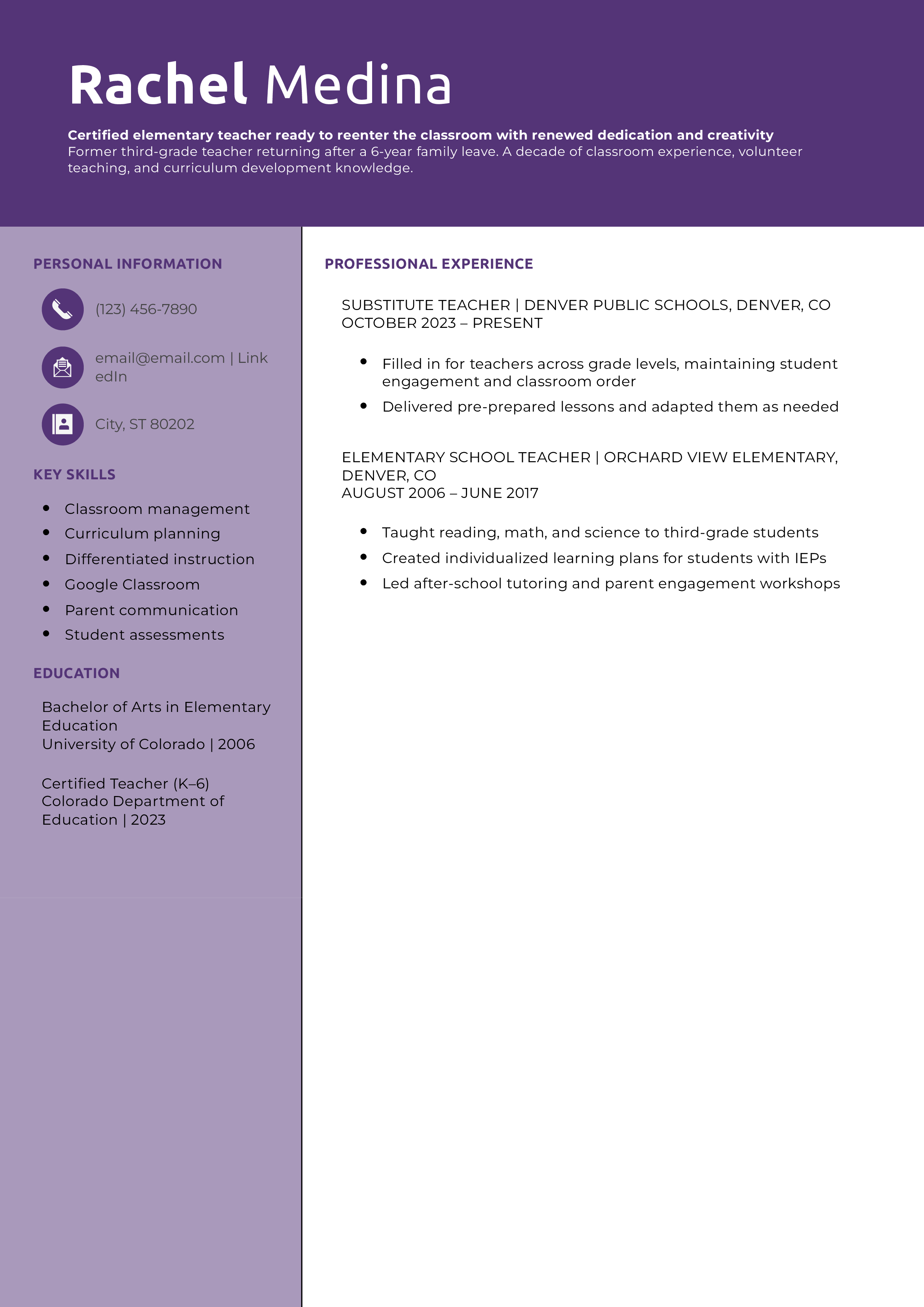
Transitioning from military service to a civilian career is one of the most significant steps in a veteran’s professional life. Military experience provides valuable qualities such as leadership, teamwork, and discipline that employers highly respect. The key is learning to translate those strengths into civilian terms and creating a resume that clearly reflects your qualifications.

This guide covers how to build a strong military-to-civilian resume, which resume formats work best, and what resources can help you prepare for success in 2025.

Key Takeaways

  • Focus on translating military experience into civilian language that emphasizes results and leadership.
  • Use a combination or functional resume to highlight your most relevant skills.
  • Avoid jargon and tailor your resume to the job you’re pursuing.
  • Leverage transition programs, veteran networks, and professional resume resources to support your job search.

Understanding the Transition from Military to Civilian Work

Recognizing Your Transferable Skills

The first step in a successful transition is identifying how your military experience fits civilian job requirements. Logistics coordination, team leadership, crisis management, and technical training are valuable across industries.

Translating Military Language

Avoid using military-specific acronyms or titles that may confuse civilian employers. For example, instead of “Battalion Supply Sergeant,” say “Operations and Inventory Manager.” Translate achievements into language that any recruiter can understand.

Matching Experience With Civilian Roles

Research civilian job descriptions to find parallels with your military background. Positions in project management, IT, law enforcement, engineering, and health care often align well with military experience.

Functional Or Combination Formats Work Best

A combination resume highlights skills and experience, ideal for veterans changing industries. It lets you feature leadership, problem-solving, and teamwork at the top before detailing your work history.

See Resume.org’s guide to resume formats for examples that fit transitioning service members.

Highlight Recent And Relevant Experience

Focus on roles and training that align with your new career path. If you served for many years, it’s unnecessary to include every assignment; just choose the most relevant or recent ones.

Keep It Professional And Easy To Read

Avoid cluttered layouts or outdated templates. Use clean, modern designs that make your qualifications stand out. You can find sample designs at free resume templates.

How To Write a Strong Military-to-Civilian Resume

Start With A Professional Summary

A resume summary should capture your career focus in three to four concise lines.

Example:

“Dedicated Logistics Professional with 10 years of U.S. Army experience managing supply chain operations, training personnel, and implementing efficiency programs. Seeking to apply organizational and leadership skills in a civilian logistics or operations management role.”

Translate Ranks And Titles Into Civilian Equivalents

If you held a position like “Platoon Leader,” rephrase it as “Team Supervisor” or “Operations Leader.” Civilian recruiters may not recognize rank terminology, but will understand leadership experience.

Focus On Achievements, Not Duties

Use metrics to demonstrate success:

  • Managed $2 million in equipment and supplies with zero loss incidents.
  • Supervised a 20-member team achieving 98% mission readiness.
  • Implemented a new scheduling system, improving efficiency by 15%.

Include Certifications And Education

List military training relevant to civilian fields like cybersecurity, emergency response, or vehicle maintenance, and note equivalent civilian credentials. If you completed coursework through the GI Bill or college transition programs, highlight that too.

Tips for Translating Military Skills to Civilian Employers

Focus On Leadership And Problem-Solving

Employers value people who can lead under pressure. Describe times you led initiatives, trained others, or developed strategies that improved outcomes.

Emphasize Teamwork And Adaptability

The military teaches collaboration across departments and disciplines. Highlight experiences where you worked with others to achieve objectives or adapt to changing conditions.

Demonstrate Communication And Reliability

Civilian employers appreciate clear communication, punctuality, and dependability — all hallmarks of military service. Use examples showing how you consistently met goals and built trust with your team.

Job Search Strategies for Veterans

Use Veteran-Friendly Job Boards

Websites like HireHeroesUSA.org, Veterans.gov, and RecruitMilitary.com connect veterans with employers who value military experience. Many include free resume review and interview prep services.

Leverage Military Transition Programs

Programs such as the Transition Assistance Program (TAP) and the DoD SkillBridge initiative offer resources for job training and internships before leaving active duty.

Network With Other Veterans

Join local or online veteran organizations. Peer connections can lead to job referrals, mentorship, or insider knowledge about companies that actively hire former service members.

Common Resume Mistakes To Avoid

Using Too Much Military Jargon

Even if your experience is impressive, recruiters might not understand technical language. Replace “MOS 88M” with “Motor Transport Operator” and “NCOIC” with “Team Leader.”

Overloading The Resume With Details

Keep your resume to one or two pages. Focus on your most recent and relevant accomplishments.

Forgetting To Include Civilian Keywords

Tailor your resume to each job posting. Scan job descriptions for key phrases such as “project management,” “operations,” or “safety compliance,” and naturally incorporate them into your resume.

Preparing for the Civilian Interview

Practice Your Story

Be ready to explain how your military experience translates to the job. Focus on how you can contribute to business goals, teamwork, and problem-solving.

Address Cultural Differences

Civilian workplaces often have different communication styles. Emphasize flexibility and willingness to learn new processes.

Bring Strong References

Include supervisors, commanding officers, or civilian mentors who can speak to your leadership and professionalism.

Additional Resources for Military-to-Civilian Transition

Resume And Job Search Assistance

Visit Resume.org’s career resources for job search strategies, interview prep, and professional growth.

Veterans’ Employment Organizations

Groups like the Wounded Warrior Project, American Legion, and Hire Our Heroes provide resume help, mentorship, and networking opportunities.

Federal Hiring Preference

Veterans often qualify for federal hiring preference. Explore opportunities on USAJobs.gov under “Veterans Preference” to find openings designed for service members.

Frequently Asked Questions About Military-to-Civilian Resumes

How should I list my military experience on a civilian resume?

Use civilian job titles where possible and focus on accomplishments. Instead of listing rank, describe the scope of responsibility, such as “Led 25-person team in logistics and operations.”

What is the best resume format for veterans?

A combination format works best because it highlights your transferable skills first while still including a clear work history. Learn more in Resume.org’s guide to resume formats.

Should I include all my military training and awards?

List training relevant to the civilian role. Technical certifications and leadership awards can strengthen your application, but you don’t need to include every commendation.

How do I explain my transition in a cover letter?

Briefly acknowledge your military background, then focus on how it prepares you for civilian work. For instance, “My experience coordinating missions under tight deadlines has equipped me with strong organizational and problem-solving skills suited to operations management.”

Kara Dennison

Head of Career Advising

Kara Dennison, SPHR, CPRW, EC is an Executive Career and Leadership Coach, Organizational Strategy Consultant, and CEO of Optimized Career Solutions. With certifications as a Senior Professional in Human Resources (SPHR), Professional Resume Writer (CPRW), and Encouragement Consultant (EC), Kara brings a unique blend of strategic insight, behavioral science, and personal development to her work. Her career began in corporate recruiting and HR leadership, where she partnered with C-suite executives to hire top performers and reviewed more than 500,000 resumes. That experience ignited her passion for helping high-achieving professionals clarify their path, tell their story with impact, and advance into roles they love.

Today, Kara coaches executives and consults with organizations on culture, communication, and leadership development. She’s been named a Top 101 Global Employee Engagement Influencer by Inspiring Workplaces for 2023, 2024, and 2025, and contributes regularly to Forbes on topics like career growth, leadership trends, and the evolving workplace. Her work has appeared in Fast Company, LifeHacker, Thrive Global, and other leading outlets. Through one-on-one coaching, brand strategy, and organizational consulting, Kara’s mission is simple: empower professionals and leaders to live impactful lives, showing up with clarity and confidence so they and their teams can thrive.

Written by professional resume writers and loved by hiring managers

Resume.org offers free, HR approved resume templates to help you create a professional resume in minutes. Choose from several template options and even pre-populate a resume from your profile.