
A Veteran’s Resume and Job Hunting Guide


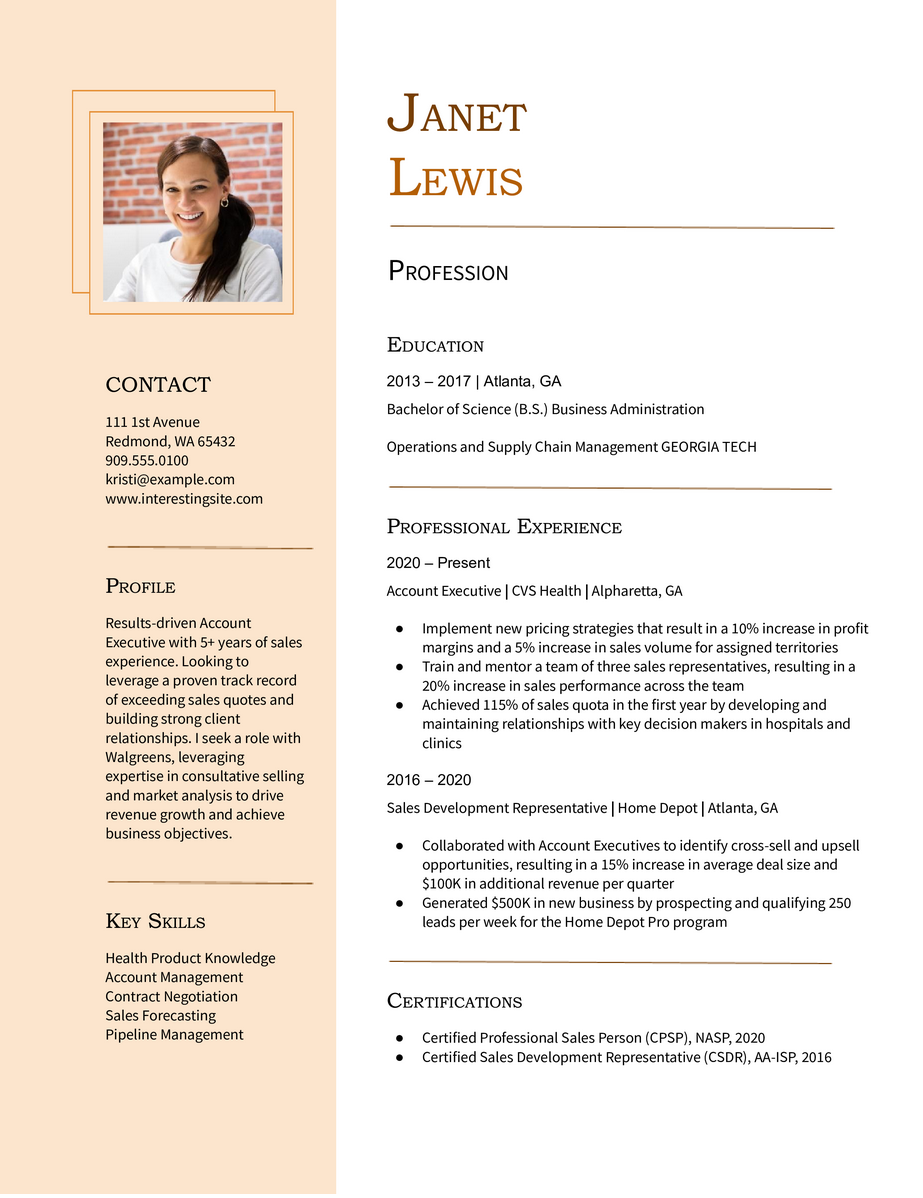
Returning to civilian life poses a number of unique challenges for veterans. The job search can be hard to navigate, as pursuing opportunities on the open market is very different from advancing within the military. Veterans also may struggle to demonstrate how their military experience aligns with the role and industry they’re targeting. Throughout this guide, we’ll provide expert insights and tips to help you succeed during the job hunt.
How to Succeed During the Job Search as a Veteran
1. Align your military experience with the job description
As a veteran, you’ve cultivated a variety of skill sets that translate to roles in the private sector. The key to generating interviews during the job search is to paint an engaging picture of how your military background enables you to create value for potential employers. For example, say you managed supply chains and logistics for military equipment during your service. While certain aspects may be unique to the military, much of the expertise you’ve garnered would still be relevant for supply chain management roles on the open market.
2. Tone down the military terminology
While you might be accustomed to using specialized military terms to describe your service, this isn’t a sound approach for writing a winning resume. If the hiring manager can’t understand your achievements and responsibilities because of esoteric terminology, it’s unlikely that you’ll advance to the next stage of the application process. Instead, focus on using accessible language that helps the reader better understand your professional background.
3. Quantify your military achievements
Feature hard data and eye-catching numbers to enhance the impact of your bullet points. Although this can be difficult depending on the nature of your role within the military, there’s usually a way to quantify your accomplishments if you think through your experience carefully. For instance, say you were responsible for coordinating the delivery of supplies, fuel, and ammunition for mission-critical operations. Including monetary figures establishes the scope of your contributions and can help you stand out from other candidates.
4. Feature your leadership capabilities
No matter what position you’re applying for, companies will always value candidates with a strong background in leadership and team collaboration. As you craft your content, focus on highlighting examples of how you’ve worked effectively with diverse personnel to achieve military objectives. For instance, experience developing and training team members has broad appeal amongst employers, especially if you’re targeting a management role.
5. Consider pursuing federal jobs
Upon completing your military service, you become eligible for Veterans’ Preference. This provides a powerful edge when applying for federal jobs, as you’ll be given higher consideration over civilian candidates. Pursuing employment with the federal government can also be a smoother transition for veterans compared to the private sector.
6. Build out your LinkedIn profile
In a turbulent job market, you need to explore every possible avenue to sell yourself to potential employers. When leveraged effectively, LinkedIn can be a vital tool that enhances your prospects and marketability. Rather than simply creating a carbon copy of your resume, craft a profile that truly encapsulates your personal brand. This allows hiring managers to better understand what makes you unique as a candidate.
Resume Examples for Veterans
Employment Resources for Veterans
Although overall employment rates for veterans are higher than for non-veterans, securing high-paying opportunities in an increasingly competitive market isn’t guaranteed. A common issue is that a strong military background can actually make you overqualified for many jobs. The Department of Veterans’ Affairs offers several valuable resources to help veterans position themselves for success during the job hunt.
Frequently Asked Questions About A Veteran’s Resume and Job Hunting Guide
Although cover letters aren’t always required, taking the time to include one can help differentiate you from other candidates. That said, using a generic cover letter for each job is pointless. To make a lasting impression on the hiring manager, you need a cover letter that speaks to the organization directly. For instance, you might emphasize specific aspects of the company’s culture or reputation and how this aligns with your own professional background.
While it may be tempting to use ChatGPT to bypass the resume writing process, an AI-written document is less likely to generate interest from potential employers. Although AI tools have continued to improve rapidly in recent years, the content they produce for you won’t be unique, nor will it tell a compelling story. That said, AI can provide you with a helpful framework to build from, especially if you’re struggling with a blank page.
The experience you’ve garnered as a veteran is relevant and valuable. The key is to show employers how your military background aligns with the position you’re targeting. This means that you’ll need to limit your usage of military terminology and instead focus on highlighting the transferable skills you’ve cultivated during your service.

Resume.org offers free, HR approved resume templates to help you create a professional resume in minutes. Choose from several template options and even pre-populate a resume from your profile.